
The Allure of Casinos
Casinos have an uncanny ability to capture the imagination and interest of many, drawing them towards the brightly lit slot machines, the excitement of card tables, and the hopeful anticipation of winning. This attraction is deeply rooted in psychological principles that influence human behavior, which is why many people seek out the best casino online options available today. The thrill of chance, combined with the possibility of a monetary reward, creates a potent mix that ignites excitement and motivates individuals to gamble, even against their better judgment.
Moreover, the environment within a casino is crafted meticulously to enhance this allure. The use of vibrant colors, captivating sounds, and the aroma of free drinks creates a stimulating atmosphere. These sensory elements serve to heighten emotions and encourage players to stay longer. It’s not just about the games; it’s about creating an immersive experience that entices patrons and leads them into an almost hypnotic state of engagement, which is a fundamental aspect of the psychology of gambling.
To further understand this allure, one must consider the role of social interaction. Casinos often serve as social hubs where people gather to share experiences with friends and strangers alike. The excitement of winning can promote a sense of camaraderie, while losses can foster a shared understanding among players. This communal aspect can reinforce gambling behavior, as individuals may be swayed by their social circles’ activities and perceptions regarding gambling, making the experience even more inviting.
Risk and Reward Dynamics
The fundamental principle governing gambling is the balance of risk and reward. Players are often drawn to the idea that they can flip their fortunes by placing a bet. The psychology of risk-taking is complex; many individuals are wired to favor immediate gratification over delayed rewards. This tendency is magnified in gambling environments, where the chance of winning fuels the desire to take risks that they might otherwise avoid in daily life.
Interestingly, cognitive biases play a significant role in shaping players’ perceptions of risk and reward. The gambler’s fallacy, for instance, leads individuals to mistakenly believe that past outcomes can influence future events. This belief can propagate the myth that a win is ‘due’ after a series of losses, prompting continued gambling behavior despite the statistical reality. Such cognitive biases can create a false sense of confidence and encourage repeated engagement, often leading to greater financial exposure.
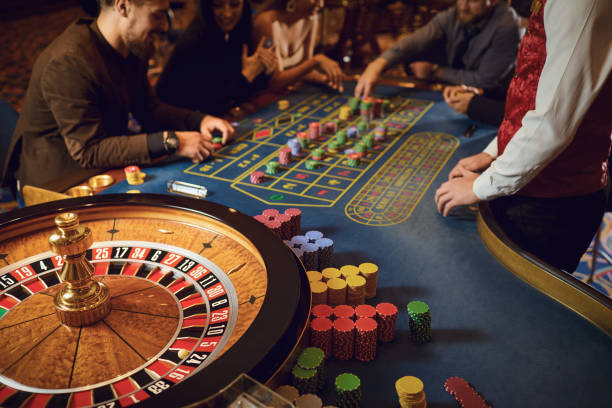
The excitement surrounding potential rewards also plays a crucial role. Neurobiological studies have shown that winning activates the brain’s reward pathways, releasing chemicals such as dopamine that elicit feelings of pleasure. This neurological response not only reinforces the gambling behavior but also makes it harder for individuals to resist the urge to gamble again. As a result, the allure of potential rewards often overshadows the reality of financial risk, leading to a cycle of gambling behavior that can be difficult to break.
Emotional and Psychological Influences
The emotional state of an individual significantly influences their gambling choices. Many people turn to gambling as a coping mechanism for stress, anxiety, or depression. The immediate gratification of a potential win can provide temporary relief from these negative emotions, creating a cycle where individuals rely on gambling to escape their worries. This is particularly prevalent in environments where emotional experiences are heightened, such as casinos, where the thrill of the game can momentarily overshadow real-life troubles.
Moreover, emotions like excitement and disappointment play a critical role in gambling behavior. The thrill associated with a close win can encourage continued play, despite previous losses. This phenomenon is often referred to as the “near-miss effect,” where players continue gambling in hopes of achieving that euphoric feeling of winning, even when statistical odds suggest they are more likely to lose. Such emotional dynamics make gambling an addictive behavior for some individuals, as they continuously chase the highs and attempt to avoid the lows.
The social environment of a casino can also amplify emotional responses. Many patrons experience a rush when surrounded by others who are also gambling, whether winning or losing. The collective emotional atmosphere can create a sense of urgency, leading players to make impulsive decisions. This shared experience can incrementally increase the emotional stakes of their actions, further entrenching them in the gambling cycle as they seek to match or exceed the emotional highs experienced within the group.
The Role of Marketing and Design
Marketing strategies in casinos are designed to capitalize on psychological triggers that encourage gambling. The layout of a casino, for instance, is strategically crafted to create a sense of endless possibilities. By leveraging open spaces, high ceilings, and strategically placed game stations, casinos can enhance the perception of freedom and choice, making it difficult for players to leave. This design approach not only fosters longer stays but also reinforces the gambling mindset by immersing players in a world where time seems to stand still.

Additionally, promotional tactics like loyalty programs and enticing bonuses leverage psychological principles to entice players. The concept of reciprocity suggests that players feel compelled to return to a casino that offers them free incentives, such as complimentary drinks or rewards for their loyalty. This seemingly generous approach reinforces the connection between gambling and positive reinforcement, driving repeated visits and continued engagement with gambling activities.
Furthermore, the availability of in-game betting and betting limits supported by user-friendly interfaces keeps players engaged. The immediacy and accessibility of games, combined with ongoing opportunities to wager, create a compelling environment that can lead to impulsive decisions. The integration of technology into gambling has fundamentally altered the landscape, making it easier for individuals to place bets and stay immersed in the casino experience, significantly impacting their gambling behavior.
Understanding Responsible Gambling
As the exploration of gambling psychology deepens, it becomes essential to address the importance of responsible gambling. Understanding the psychological triggers that lead to compulsive gambling is crucial for both players and casino operators. With knowledge comes the responsibility to implement practices that promote safer gambling environments, including providing resources for players to understand their behavior and setting limits on their gambling activities.
Many casinos have begun to adopt responsible gambling initiatives, offering tools and information to help individuals recognize the signs of problematic gambling. These initiatives can include self-exclusion options, budget setting tools, and access to counseling services. By fostering an informed gambling environment, casinos can contribute to healthier gambling behaviors and reduce the potential for addiction.
On an individual level, players must be encouraged to self-regulate their gambling habits. This personal accountability is vital to ensuring that gambling remains an enjoyable form of entertainment rather than a destructive habit. By being aware of their emotional triggers and the psychological mechanics at play, individuals can exercise control over their gambling, fostering a healthier relationship with the activity.